Pediatric patients who have known heart disease and/or have been operated on for congenital heart disease have medical emergencies that are different from adults with heart disease
Pediatric patients with congenital heart disease may:
have baseline oxygen saturations between 65 and 85% rather than above 92% (ask care provider about patient’s usual oxygen saturation level)
develop sudden heart rhythm disturbances
be fed by either a nasogastric tube (tube in nose) or by gastrostomy (tube through abdominal wall)
not have a pulse or accurate blood pressure in an extremity after heart surgery
have a pacemaker
All levels
ABCs and vital signs, including blood pressure
Keep patient on continuous pulse oximeter monitoring, if available (will monitor both heart rate and SpO2)
Ask parents if the patient has a heart condition and/or has been operated on (look for a scar in the middle or side of chest); ask what type of heart condition it is
Keep the child in a somewhat upright position to enable optimal breathing, or allow child to be in position of comfort
Ask parents what the child’s usual oxygen saturation is and provide only sufficient oxygen to bring the SpO2 to his/her usual baseline
Ask parent if the patient has a pacemaker and/or internal defibrillator
Do not give anything by mouth
If patient has a fever, minimize the child’s clothing and keep the ambulance at a comfortable temperature
If the heart rate is markedly bradycardic, and the patient’s mental status or respiratory rate are decreased, ventilate with a bag-valve-mask (BVM) and consider chest compressions
EMT and up
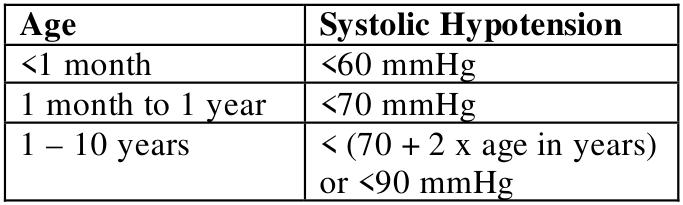
Assess for signs of poor perfusion (such as prolonged capillary refill >2 seconds, cool and dusky distal extremities, poor radial and dorsalis pedis pulses, and/or hypotension)
If patient has a gastrostomy tube, suggest to parent/caregiver to open the tube to air or aspirate stomach contents to improve the child’s ability to breathe
Obtain vital signs including blood pressure every 15 minutes
Chest pain in children is rarely a sign of a cardiac condition
Notify the destination hospital ASAP and communicate if the patient has signs of cardiac failure or decompensation
Infants with congenital heart disease may present with symptoms very similar to septic shock (poor perfusion, poor distal pules, tachypnea, or dusky appearance)
Pediatric patients with a congenital heart condition often have oxygen saturations 65-85%. Too much oxygen may be detrimental and result in worsening circulation.
Transport to hospital should not be delayed in ill pediatric cardiac patients